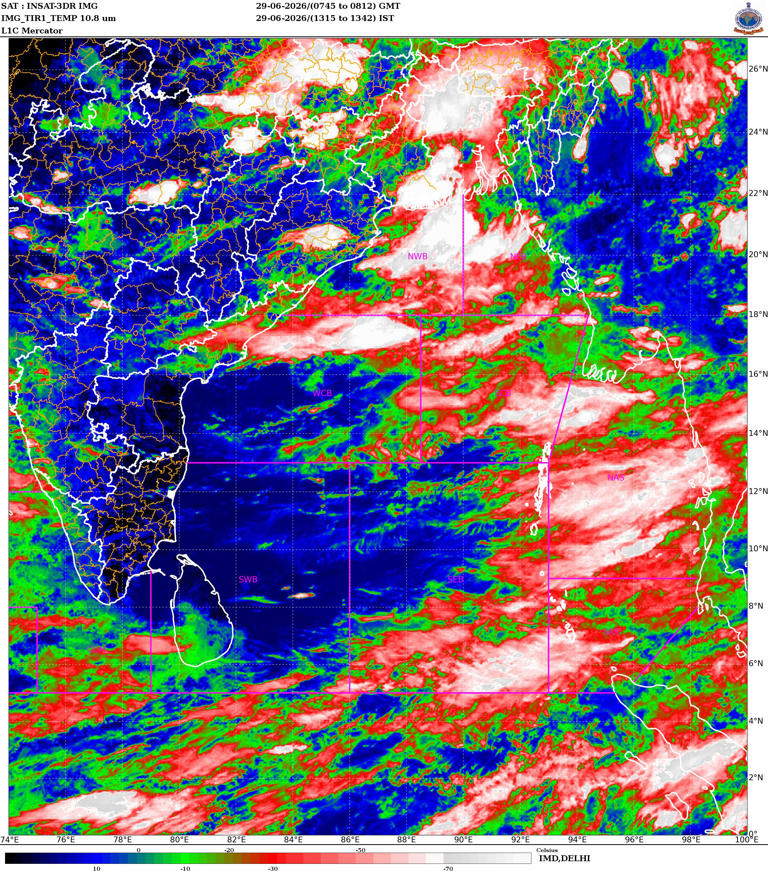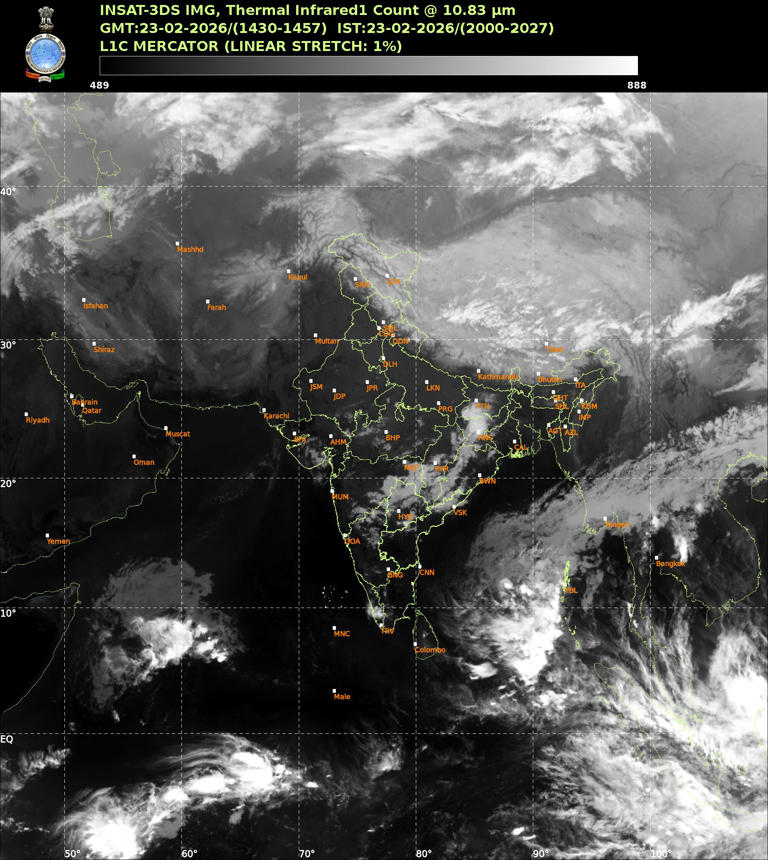
Global agencies forecast that sea surface temperatures in the Pacific Ocean will continue to rise. This trend could sustain El Niño conditions into the early months of 2027. The projection indicates a prolonged duration of the climate phenomenon beyond the current year.
Lag in El Niño’s severe effects on rainfall and temperature
Scientists report that the most severe impacts of El Niño on rainfall and temperature often occur with a delay of one to two months. This lag means that even after initial signs of the phenomenon, significant weather disruptions can still emerge later.
Southwest monsoon rainfall in July 2.4% above normal
In July, India’s southwest monsoon delivered rainfall that was 2.4% above the normal level. This marked a rebound in precipitation despite the concurrent strengthening of El Niño conditions.
Improved July rains boosted sowing of soyabean and pulses
The above-normal July rainfall led to increased sowing of crops such as soyabean and pulses. Farmers took advantage of the improved moisture conditions to plant these kharif crops.
IMD forecast of below-normal rainfall for August and September
The India Meteorological Department has forecast below-normal rainfall for the months of August and September. This prediction adds to concerns about potential agricultural stress during the late monsoon period.
Risk of suppressed rains affecting late kharif and rabi crops
Due to the lag in El Niño’s effects, suppressed rainfall could still impact late kharif and rabi season crops. Crops at risk include wheat, mustard, and potatoes, which are sensitive to rainfall patterns during their growth stages.
Potential impact of weak August and September rains on crop yields
If rainfall in August and September remains weak, agricultural crops in India could experience stress that would reduce yields. Lower yields would tighten domestic food supplies and contribute to higher food inflation. This scenario could also negatively affect rural incomes and reduce rural demand.
India Holds Large Public Stocks of Rice, Wheat, and Pulses
India maintains substantial public reserves of rice, wheat, and pulses. These stocks could be released to the market if necessary to curb domestic inflation
Role of irrigation and grain reserves as economic buffers
Existing irrigation systems and grain reserves in India are seen as buffers that can help prevent a broad economic slowdown despite potential monsoon-related agricultural stress. These resources can mitigate the impact of reduced rainfall on food supply and prices.
Reserve Bank of India and S&P Global Ratings’ assessment of economic risks
The Reserve Bank of India and S&P Global Ratings identify the main risks from the current monsoon and El Niño conditions as being related to food prices and rural demand. They do not foresee a broad economic slowdown due to existing buffers such as irrigation infrastructure and grain reserves.